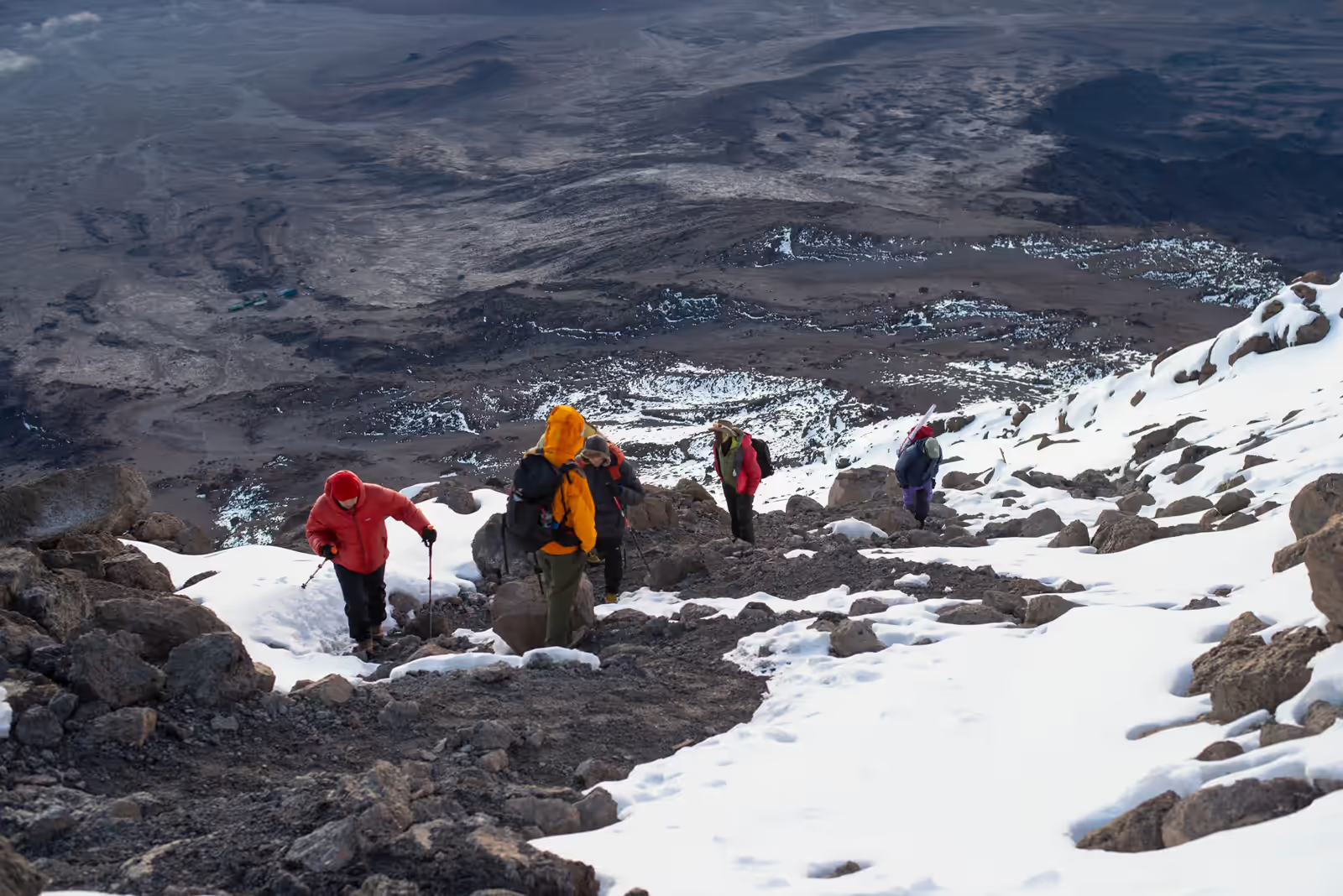
Rongai · The Northern Approach
Rongai Route
Kilimanjaro's quietest and driest trek, from remote northern pine forests to the roof of Africa at 5,895m.
About the Rongai Route
The Road Less Traveled
The Rongai Route is the only trail on Mount Kilimanjaro that approaches from the north, near the Kenyan border, offering a unique perspective and a drier climate. Known for its peaceful, uncrowded atmosphere with significantly fewer trekkers than the southern routes, Rongai provides stunning views of both Kibo and Mawenzi peaks through diverse terrain from forest to alpine desert.
Available in 6 or 7 day itineraries, with the longer option offering better acclimatization, Rongai is ideal for those seeking a quieter, more remote Kilimanjaro experience, particularly during the wetter months when the northern slopes receive less rainfall. This makes it an excellent choice in seasons when southern trails turn muddy and slippery.
Rongai offers a genuine wilderness experience with coniferous forests, remarkable scenic views, and ultimately the same triumphant summit at Uhuru Peak. It's the perfect route for adventurers who value solitude and natural beauty.
Duration
6 to 7 Days
Difficulty
Moderate
Success Rate
80%
Best For
- Solitude seekers
- Rainy season
- Wilderness lovers
Key Features
- Northern approach
- Drier climate
- Conifer forests
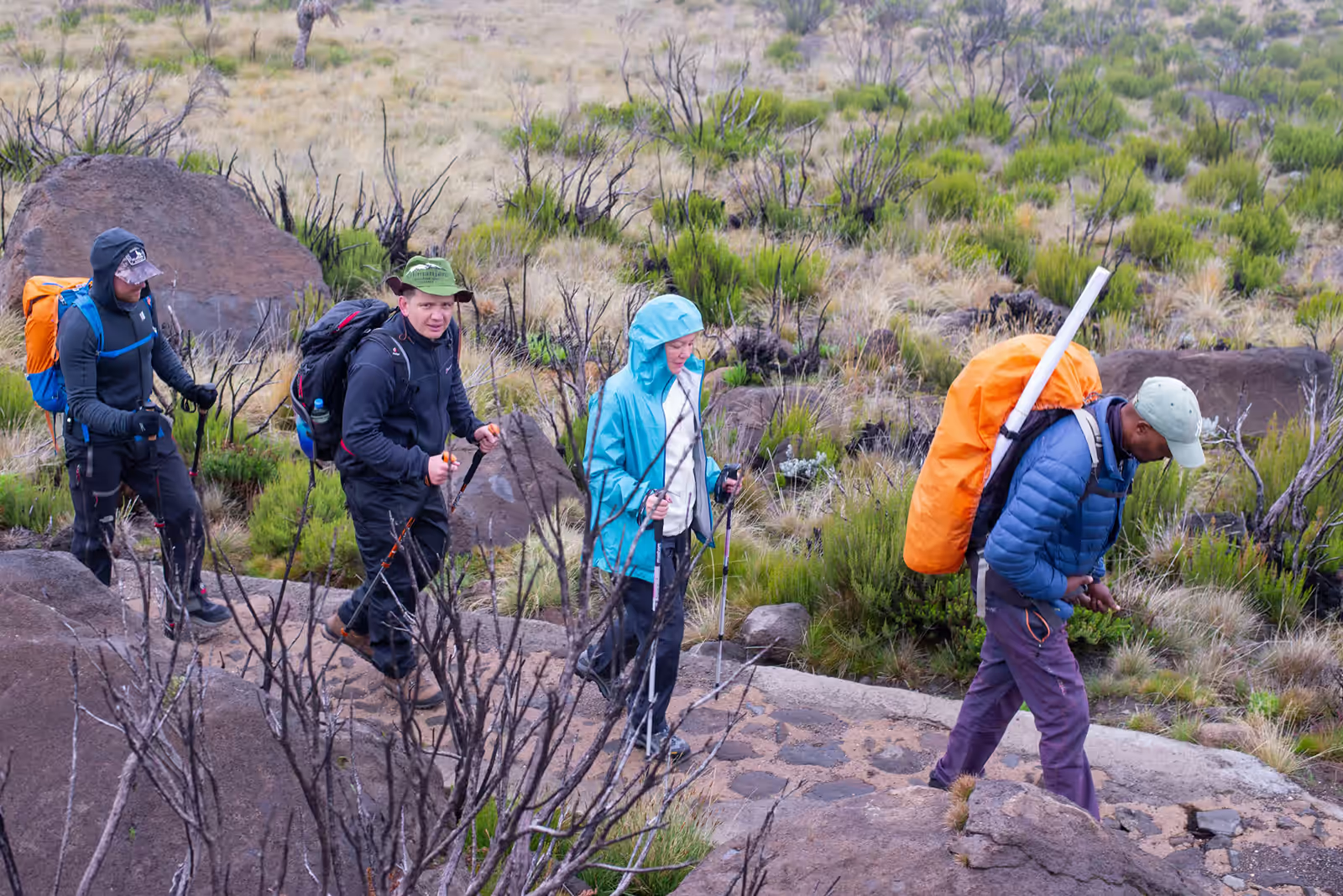
The Peaceful Rongai Route Experience
Kilimanjaro's quietest trek, with the drier northern slopes, unique conifer forests, and remarkable solitude from gate to summit.
Coniferous Forest Trek
A unique northern forest of old pines and olive groves that no southern route can match, alive with birdsong and rare views.
Drier Northern Slopes
The north side of the mountain catches far less rain, keeping trails dry even in seasons when southern routes turn to mud.
Quietest Route
A fraction of the trekkers of the busy southern routes, giving a rare sense of true wilderness on Kilimanjaro.
Climbing Camps
Six stops from the remote northern gate to the roof of Africa. Along the way you approach from near the Kenyan border, rising from 2,625m at Simba Camp to Mawenzi Tarn at 4,310m, with Kibo Hut your final camp at 4,703m. The trek covers about 61 km of trails, and the final leg is the summit itself: an extra 1,192m climbed by headlamp in the dark to Uhuru Peak at 5,895m in time for sunrise.
The Route
Six Steps to the Summit
Nalemoru Gate
Starting point
1,990m
Simba Camp
First forest camp
2,625m
Kikelewa Cave
Moorland camp
3,630m
Mawenzi Tarn Camp
Acclimatization stay
4,310m
Kibo Hut
Last camp before summit
4,703m
Uhuru Peak
Summit!
5,895m
At a Glance
Route Facts
Total Distance
61 km
Elevation Gain
3,905 m
Days on the Mountain
6 to 7
Acclimatization
Good
Pole pole. Slow and steady wins the summit. Every camp is a stepping stone reached with careful acclimatization.
Day by Day Itinerary
Your complete 6 or 7 day journey through the remote northern wilderness.
What's Included & Not Included
One clear price covers the mountain. Everything else is planned out in the open, so there are no surprises at the gate.
All fees transparent
Park, camping, rescue and crew costs are itemized before you book.
Expert local crew
Licensed guides, porters and cooks with years on the mountain.
Booked direct from Moshi
Arrivals, camping gear and meals are handled end to end.
Everything covered
Included in Your Trek
Professional Mountain Guides
Licensed, high altitude experienced crew
All Park & Camping Fees
Permits, conservation and rescue fees
Mountain Camp Accommodation
Tents, mats and daily camp setup
All Meals on the Mountain
Breakfast, lunch and dinner daily
Drinking Water at Camps
Filtered water for proper hydration
Porter & Cook Services
Your gear carried comfortably each day
Emergency Medical Supplies
First aid kits and emergency oxygen
Summit Night Lighting
Headlamps and lighting for the climb
Summit Certificate
Your achievement, signed at the gate
Everything above is covered in your quoted price, with no hidden fees added later.
Budget separately
Not Included
International Flights
To Kilimanjaro International Airport
Travel Insurance
Highly recommended before you depart
Visa Fees
East African tourist visa on arrival
Hotel Nights in Moshi
We can arrange these for you
Personal Medications
Bring your own prescriptions
Sleeping Bag Rental
About $20 to $30 for the trek
Portable Oxygen
Available on the mountain if needed
Tips for Guides & Porters
Gratuities are at your discretion
Personal Gear & Equipment
To buy or rent before you travel
Not sure what to arrange? We can help with flights, hotels, gear and extras to fit your plan.
Plan your extras with usBest Season & Requirements
Best Season
Peak Season
June to October: dry weather, clear skies, and firm trails across the northern slopes. Best for photography and the clearest views from the summit.
Low Season
November to May: wetter periods elsewhere, but the northern slopes stay far drier than the south, making Rongai a smart rainy season choice.
The drier northern approach means Rongai stays walkable in almost every month of the year, with the dry seasons offering the best summit clarity.
Physical Requirements
Fitness Level
Moderate to good fitness. The gentle northern grades are kind to beginners, but the summit night remains a genuine physical test.
Training
We recommend 3 to 4 months of preparation, mixing cardio, stair and hill walking before your departure.
Age Requirements
Participants should be 10 years or older, younger trekkers climb with a parent or guardian. There is no upper age limit for fit and determined climbers.
Rongai Route Climbs, Planned for Summit Success
Every Rongai Route itinerary we run is built around one goal: getting you safely to Uhuru Peak and back down with every finger counting.
How We Win the Summit for You
Walk High, Sleep Low, Every Single Day
Our itineraries climb during the day and descend to sleep lower. The single most effective way to build altitude tolerance on Kilimanjaro.
Acclimatization Is Non-Negotiable
We add strategic acclimatization days and regular camp rest that shorter 'get-up-quick' itineraries skip. Those days are why our success rate stays high.
Your Pace, Our Pacing
Our guides set the famous pole pole (slowly, slowly) rhythm and read your body all day. Adjusting speed, water, and breaks before problems start.
Summit Night, Fully Supported
Warm layers, hot drinks, headlamps checked, and oxygen on standby. You climb at your pace while our team pushes you home in the final hours.
Our summit rate
Every climb led with a certified guide
Summit night: oxygen & hot drinks included
Flexible 6, 7, or 8-day itineraries
Security You Can Feel, to the Summit and Down
Kilimanjaro rewards preparation, and it rewards climbers who are looked after. Here is exactly how Elem Adventures looks after yours.
Certified, First-Aid-Trained Guides
Every climb is led by professional mountain guides with years of Kilimanjaro experience, first-aid training, and practiced altitude-sickness awareness.
Porter Welfare & Fair Pay
Our crew earns fair daily wages, works with proper mountain gear, and carries within the recommended weight limits. The team behind your summit is treated with dignity.
Licensed, Park-Compliant Operator
We operate as a registered Tanzanian tour company, booking every climb officially through the park. No gray-market trekking, ever.
Daily Health Monitoring
Guides check your oxygen saturation and pulse at every camp, pace the ascent to your body's signals, and act at the first sign of altitude sickness.
Emergency-Ready Every Day
Mountain radios, evacuation protocols, and supplemental oxygen for summit night. Our Arusha office is reachable around the clock during your climb.
No Hidden Fees, Ever
The price you see is the price you pay. Park fees, rescue fees, camping, and crew costs are itemized and included before you book. Nothing is sprung on you at the gate.
Real Advice From Guides Who've Done It Hundreds of Times
From choosing a route to standing on the summit, we coach you at every step, before you even book.
Not Sure Which Route?
Tell us your fitness, your days, and your budget, and we'll recommend a route honestly, even when that's not our most expensive one. Route advice is free and comes from guides who have climbed them hundreds of times.
Pick the Right Season
Dry seasons (June to October, January to February) offer the clearest skies and best trail conditions. The mountain can be climbed year-round, and we'll schedule around the weather and your dates.
Train With a Plan
You don't need to be a mountaineer, but a little preparation goes far. We'll send you a simple 8-week training plan: hill walks, cardio, and stair sessions built around your starting fitness.
Know Your Kit Before You Go
Wondering what to pack? We share a detailed packing list before you depart, and quality gear rentals are available on site if you're missing anything. No need to buy a whole kit for one climb.
Personal Travel Expert
Ready to Climb Rongai?
Reply within 3 hours
Free consultation